Rework is expensive because it happens late. A board that is wrong at the CAM bench costs an engineering day; the same board that is wrong after plating costs the laminate, the copper, the labour and the schedule, and it arrives at your customer as a field failure. The eight checks below are the ones that catch the most rework, in roughly the order they appear in the data.
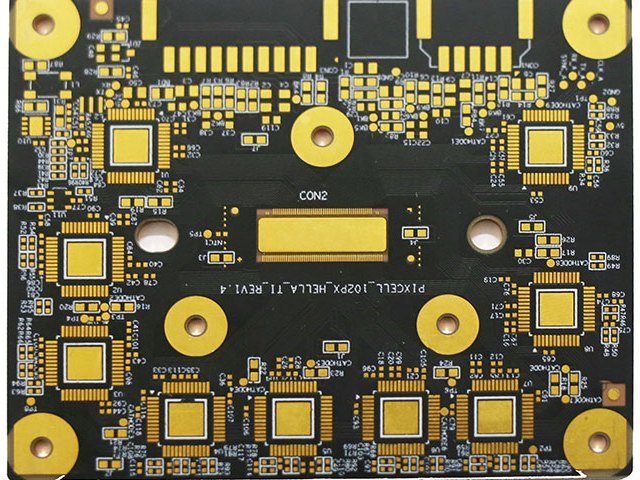
1. Annular ring and drill-to-copper clearance. Every plated hole needs enough copper around it to survive drilling and plating. Small finished holes in a thick board are the classic failure, because the drill wanders and the plating thins out. 2. Aspect ratio. Hole depth against finished diameter, for both mechanical and plated holes. A deep, narrow hole traps debris and plates unreliably. 3. Copper balance. Distribution of copper across layers and across the panel. Uneven balance means uneven etching, and on a multi-layer it means differential etch that lamination has to compensate for. 4. Solder mask dams and mask-to-pad clearance. The web of mask between adjacent pad openings has to survive the coating process, and openings on adjacent features must not merge. 5. Legend clearance. Silkscreen over pads, holes and board edges, and character-to-character spacing, because legend on a pad is a defect rather than a cosmetic issue.
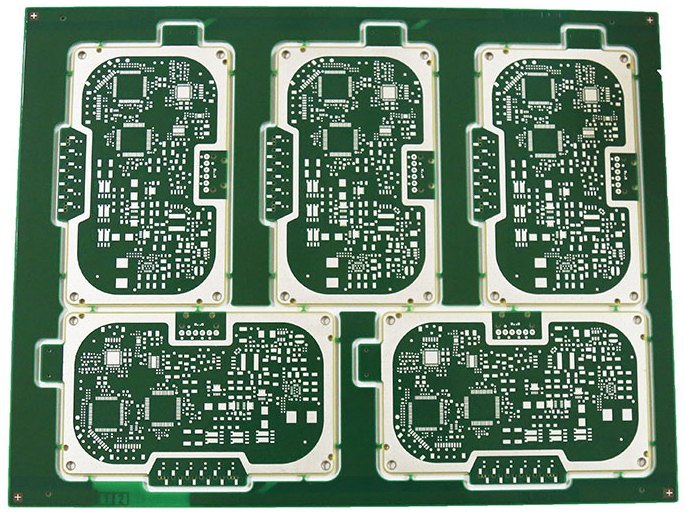
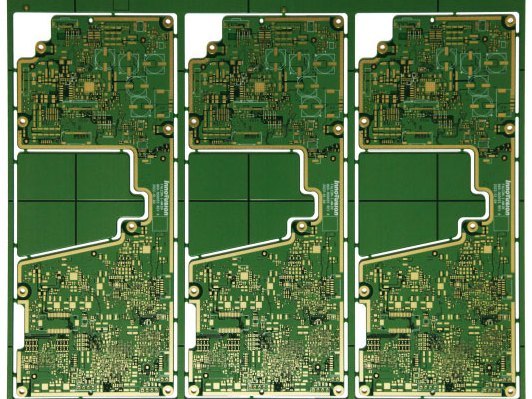
6. Outline, tabs and tooling holes. Board edge clearance to copper, the position of routing tabs, and whether the panel structure leaves the board supported during processing. 7. Creepage and isolation. Clearances for the working voltage, and the placement of slots and isolation cuts, which frequently interrupt a return path or a plane that the design was counting on. 8. Test and panelisation. Whether the design can be probed and inspected as a panel: test point access, coupon placement for impedance, and fiducials that survive the process.
Running these before quotation is what keeps a price honest. The same checks run afterwards will still catch something, but by then the cost of the change sits on top of a committed material order. Send the Gerbers, the drill file and the stack-up together and ask for the findings in writing, so the decisions are recorded rather than remembered.